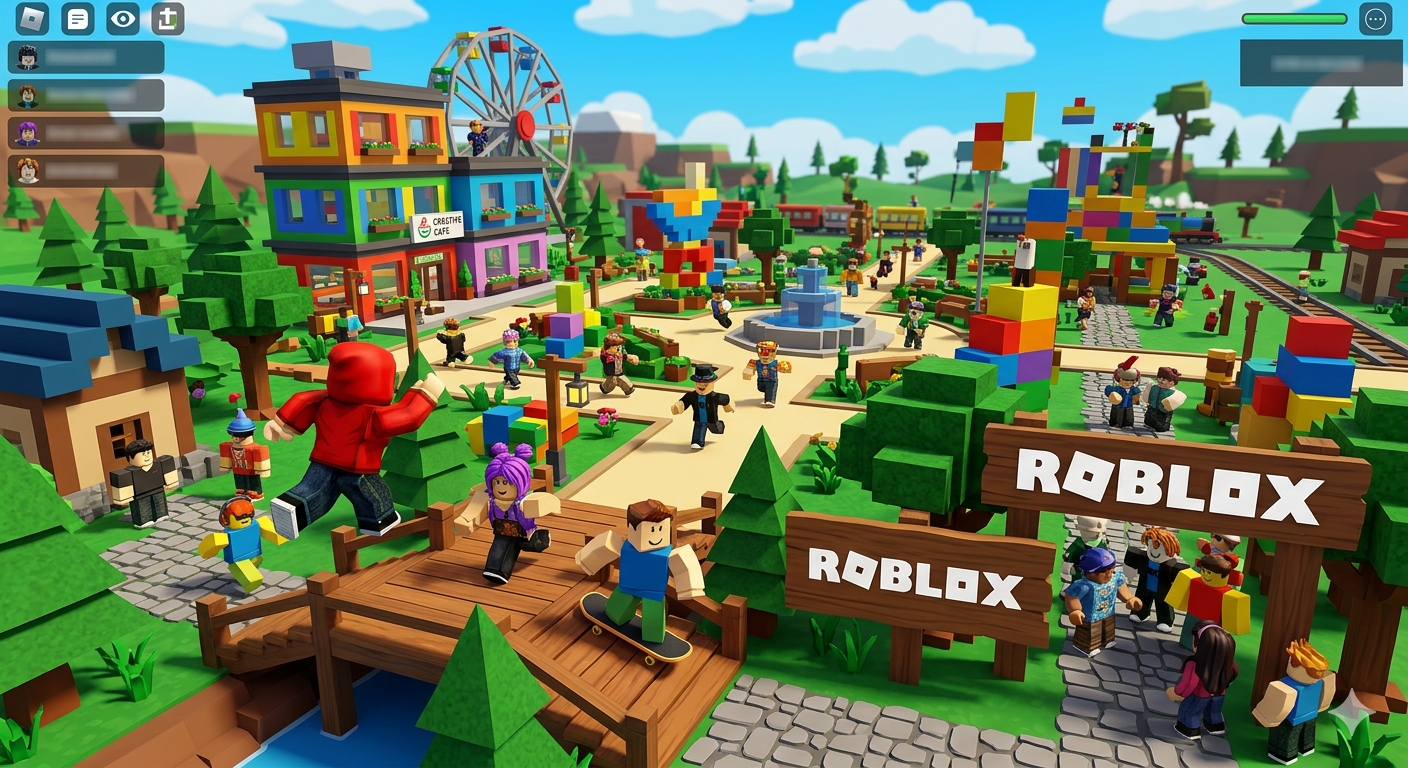
When you open a game on Roblox, you usually know within minutes if you’re staying or leaving. Some games pull you in instantly, while others lose you before you even understand what’s happening. It’s not random—it’s all about first impressions, gameplay design, and how the experience feels right away. Let’s break down why some games click immediately, while others just don’t.
The First Few Minutes Decide Everything
The first few minutes in any Roblox game are like a first conversation—you either connect or you don’t. If a game starts smoothly, gives you a clear idea of what to do, and lets you jump into action quickly, you’re more likely to stay.
But when a game throws you into confusion, no directions, too many buttons, or unclear objectives, it creates friction. And in a platform where players can leave and switch games instantly, even small confusion can lead to a quick exit.
Think about it: if you spend your first 2–3 minutes trying to figure out basic movement or what the goal is, the excitement fades. On the other hand, if you’re already playing, progressing, or having fun within that same time, you’re hooked.
Simple Controls Make a Huge Difference
One of the biggest reasons some games feel instantly fun is simplicity. You shouldn’t need a long explanation just to move, jump, or interact.
Games that succeed often:
- Keep controls familiar and easy to understand
- Avoid overwhelming players with too many mechanics at once
- Introduce new features gradually instead of all at once
When controls feel natural, your brain doesn’t have to “work” to play, you just play. That’s where fun starts.
On the flip side, games that overload players with complex systems right away can feel exhausting instead of enjoyable. Even if the game is good later, many players won’t stick around long enough to see it.
Clear Goals Keep You Engaged
Another reason some games feel fun instantly is because they answer one simple question right away: “What am I supposed to do?”
Good games:
- Give you a clear objective within seconds
- Show progress (levels, coins, missions)
- Make it obvious what your next step is
For example, a game that says “collect coins,” “escape this area,” or “reach the next level” immediately gives you purpose. You’re not just wandering, you’re playing with intent.
In contrast, games without clear goals feel aimless. You might walk around, click things randomly, and eventually get bored—not because the game is bad, but because it didn’t guide you properly.
Why Some Games Feel Confusing or Boring
Sometimes a game doesn’t fail because of what it is, but because of how it starts.
Common issues include:
- No tutorial or guidance
- Too much information at once
- Slow or empty gameplay at the beginning
- Poor visual clarity (you can’t tell what’s important)
When players feel lost, they don’t usually try harder, they leave.
There’s also the issue of pacing. If nothing exciting happens early on, players assume the rest of the game will feel the same. That first impression becomes the entire experience, even if the game improves later.
The Role of Rewards and Progression
Let’s be honest, rewards matter. Getting something, unlocking something, or improving something is a big part of what makes games fun.
Games that feel instantly engaging often:
- Give small rewards early (coins, items, upgrades)
- Show visible progress quickly
- Create a sense of achievement within minutes
This doesn’t mean the game has to be easy. It just means players should feel like they’re moving forward.
Now this is where Robux comes in, but not in the way you might think.
How Robux Features Can Help, or Hurt
Robux can enhance a game, but only when used correctly. When it’s integrated naturally, it can add value—like unlocking cosmetic items, optional boosts, or extra features.
But when a game relies too heavily on Robux from the start, it can ruin that instant fun feeling.
You’ve probably seen games where:
- You’re constantly prompted to buy something
- Progress feels slow unless you spend
- The best features are locked behind paywalls
This creates frustration instead of excitement.
The best games balance it well. They let you enjoy the game fully without spending, while still offering optional purchases for those who want them. That balance keeps players engaged rather than pressured.
Fun vs Spending: What’s the Difference?
There’s a noticeable difference between games designed for fun and games designed mainly for spending.
Games built for fun:
- Focus on gameplay first
- Make sure players enjoy the experience without needing extras
- Use monetization as a bonus, not a requirement
Games built mainly for spending:
- Push purchases early and often
- Limit enjoyment unless you upgrade
- Feel more like a system than a game
Players can sense this difference quickly. If a game feels like it’s trying to entertain you, you stay. If it feels like it’s trying to sell to you, you leave.
Small Design Choices That Make a Big Impact
Sometimes, it’s not the big features but the small details that decide whether a game feels fun instantly.
Here are a few that matter more than you might expect:
1. Tutorials that don’t feel like tutorials
Instead of long instructions, great games teach you by letting you play. You learn naturally without even realizing it.
2. Visual clarity
You should immediately know where to go, what to click, and what matters. Clean design makes everything easier.
3. Sound and music
Good audio adds energy. Even simple sound effects can make actions feel more satisfying.
4. Smooth performance
Lag, glitches, or slow loading can ruin the experience instantly—even if the game itself is good.
5. Immediate interaction
The faster you can do something meaningful, the better. Standing around at the start is one of the fastest ways to lose players.
The Psychology Behind Instant Fun
There’s also a psychological side to all of this.
Games that feel fun instantly often:
- Reduce thinking effort (you don’t have to figure everything out)
- Give quick feedback (you see results immediately)
- Create curiosity (you want to see what happens next)
This combination makes your brain want to keep going.
On the other hand, games that require too much effort upfront—without giving rewards or clarity—feel like work. And most players aren’t looking for work when they open a game.
Why First Impressions Matter More Than Ever
On a platform like Roblox, players have endless options. If one game doesn’t grab attention quickly, there are thousands of others waiting.
That’s why instant fun matters so much. It’s not just about making a good game—it’s about making a game that feels good immediately.
Developers who understand this focus heavily on the first experience:
- Fast start
- Clear direction
- Early rewards
- Smooth gameplay
Because they know that if players stay past the first few minutes, they’re much more likely to keep playing.
Final Thoughts
At the end of the day, the difference between a game that feels fun instantly and one that doesn’t comes down to experience. It’s how quickly you understand it, how smoothly you can play it, and how rewarding it feels from the start. When a game respects your time, guides you well, and lets you enjoy it without pressure, it naturally becomes engaging. And once that first impression clicks, everything else becomes easier to enjoy and explore.