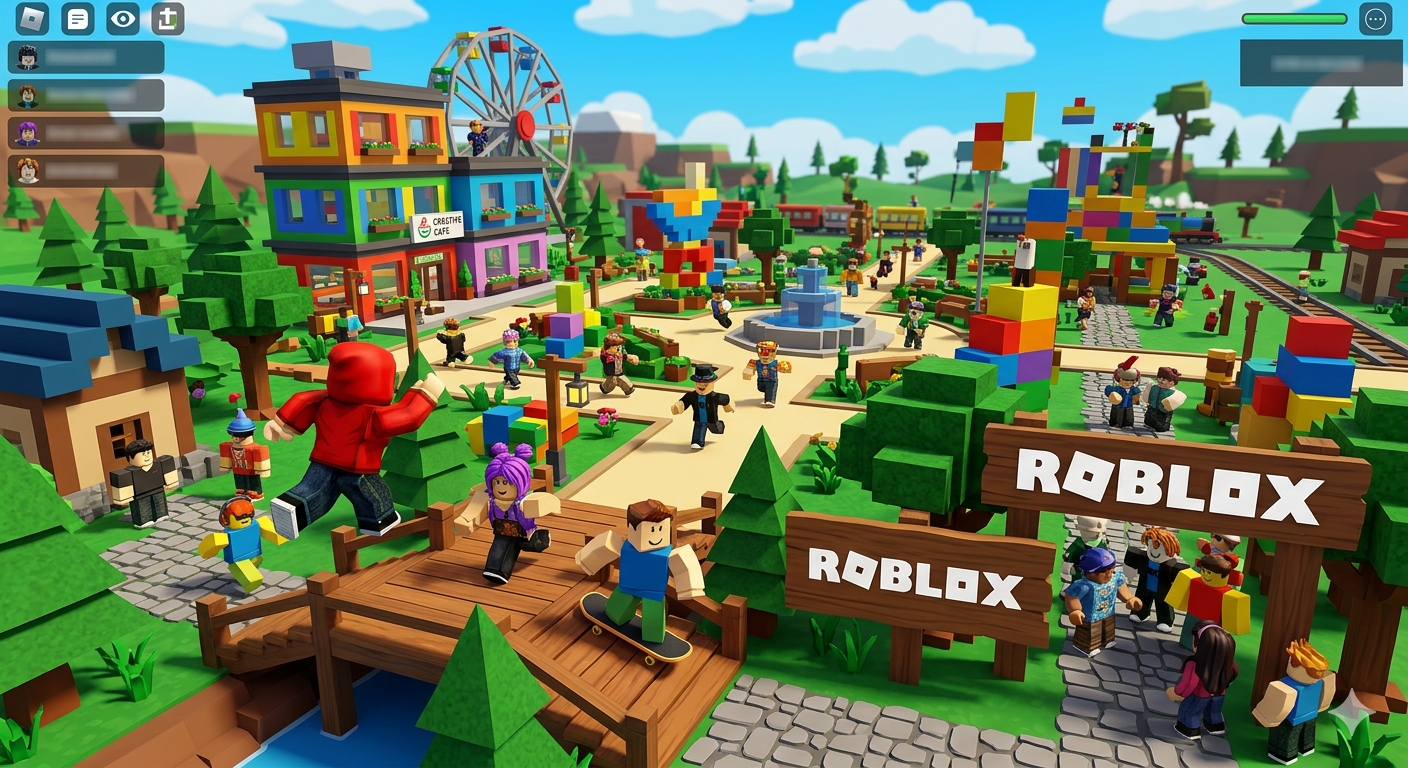
Ever played a Roblox game that promised rewards just for completing simple tasks? It sounds easy—play, finish tasks, and earn something valuable like Robux. But if you’ve tried it, you probably noticed it’s not always that straightforward. Reward-based games are everywhere, and they’re designed to keep you engaged. The real question is—how do they actually work, and what are they not telling you? Let’s break it down simply.
What Are Reward-Based Games on Roblox?
Reward-based games are experiences that offer some form of incentive in exchange for your time, actions, or participation. These rewards may look appealing, but they don’t always mean direct Robux earnings.
Here’s what they usually include:
- Completing small in-game tasks
- Inviting or referring other players
- Staying active in the game for longer durations
- Participating in events or challenges
At first glance, it feels like an easy exchange, your time for rewards. But the system behind it is more layered.
The Most Common Reward Systems Explained
Different games use different strategies to keep players engaged. Let’s break down the most common systems in simple terms.
1. Task-Based Reward Systems
These are the easiest to understand and the most widely used.
- Complete missions or objectives
- Perform repetitive actions like clicking or collecting items
- Reach certain milestones
How it works: You complete tasks → earn points or in-game currency → sometimes redeem rewards
What they don’t tell you:
- Rewards are often not actual Robux
- Tasks may become repetitive and time-consuming
- Progress can slow down significantly over time
2. Referral Systems
This system relies heavily on bringing new players into the game.
- Invite friends using a referral link
- Earn bonuses when they join or stay active
- Unlock rewards after reaching referral milestones
How it works: More referrals = more rewards
What they don’t tell you:
- You may need a large number of referrals to earn anything meaningful
- Rewards often depend on others staying active
- It can feel more like recruiting than playing
3. Giveaway-Based Systems
These are designed to create excitement and keep players engaged.
- Join giveaways or contests
- Follow instructions to qualify
- Winners are selected randomly
How it works: You enter → wait → hope to win
What they don’t tell you:
- Chances of winning are usually very low
- Many players compete for limited rewards
- Some giveaways are used just to increase engagement
4. Time-Based Reward Systems
These games reward you simply for spending time inside them.
- Stay in the game for a certain duration
- Earn points or bonuses over time
- Unlock rewards after long sessions
How it works: More time spent = more rewards
What they don’t tell you:
- Rewards are often minimal compared to time invested
- Designed to keep you playing longer than necessary
- Can become boring quickly
5. Ad-Driven Reward Systems
Some games use ads as part of their reward system.
- Watch ads to earn points
- Complete “offers” or external tasks
- Unlock bonuses through ad engagement
How it works: You watch ads → game earns revenue → you get small rewards
What they don’t tell you:
- Rewards are usually very small
- Some systems push excessive ads
- External tasks may not always be safe
Do These Systems Actually Give Robux?
This is the most important question, and the answer is simple.
Most reward-based games do not directly give Robux.
Instead, they offer:
- In-game points or currencies
- Cosmetic rewards
- Access to features or levels
Only a few systems connect indirectly to Robux, such as:
- Donation-based setups
- Creator earnings (through game passes or items)
- Community payouts
So while rewards exist, they’re rarely what players expect.
Why These Games Are So Addictive
Even if rewards are limited, players keep coming back. Why?
- Progress bars and milestones: Make you feel like you’re close to earning
- Small wins: Keep motivation high even with tiny rewards
- Social pressure: Friends or trends encourage participation
- Uncertainty: “Maybe next time I’ll get it” mindset
These psychological triggers are intentionally designed to keep you engaged.
What Reward-Based Games Don’t Tell You
Here’s the part most players don’t realize upfront:
- Time investment is high: You may spend hours for very little return
- Rewards are often indirect: Points don’t always convert to Robux
- Systems are designed for engagement, not payouts: The goal is to keep you playing, not earning
- Some games rely on player spending: Others may earn while you don’t
Understanding this helps you avoid unrealistic expectations.
How to Tell If a Reward System Is Worth It
Not all reward-based games are bad, but you need to evaluate them carefully.
Look for these positive signs:
- Clear explanation of how rewards work
- No external links or suspicious actions required
- Rewards tied to actual Roblox systems
- Reasonable effort-to-reward balance
- Good reviews from other players
If a game checks these boxes, it’s likely safer and more transparent.
Red Flags You Should Always Watch
Avoid games that show these warning signs:
- Promises of instant or guaranteed Robux: Claims quick Robux rewards, usually fake and designed to mislead players completely.
- Requests for personal or login details: Asking sensitive information risks hacking or stealing your Roblox account.
- Too many ads or forced engagement: Excessive ads force time spent without meaningful rewards or progress.
- Vague or confusing reward systems: Unclear instructions make it hard to understand how to earn rewards.
- Overhyped claims without proof: Exaggerated promises entice players but rarely deliver anything of real value.
These usually indicate misleading or low-quality experiences.
Smarter Ways to Earn or Benefit on Roblox
Instead of relying only on reward-based games, consider better alternatives:
- Create your own game: Earn through passes, upgrades, and player engagement
- Design and sell items: Clothing and accessories can generate real Robux
- Join trusted communities: Some groups share earnings fairly
- Participate in official events: Occasionally offer meaningful rewards
These methods require effort but provide real value over time.
How to Use Reward-Based Games the Right Way
You don’t have to avoid these games completely, just approach them smartly.
- Play them for fun, not just rewards
- Set limits on how much time you spend
- Avoid games that feel repetitive or pointless
- Never trust unrealistic promises
- Focus on enjoyment first
This way, you won’t feel like your time is wasted.
Final Thoughts
Reward-based games on Roblox may look like an easy way to earn Robux, but they’re mostly designed to keep you engaged rather than reward you directly. While systems like tasks, referrals, and giveaways can offer some benefits, they rarely deliver what players expect. The key is to understand how these systems work, stay cautious of red flags, and manage your expectations. If you treat these games as entertainment instead of income, you’ll have a much better experience overall.