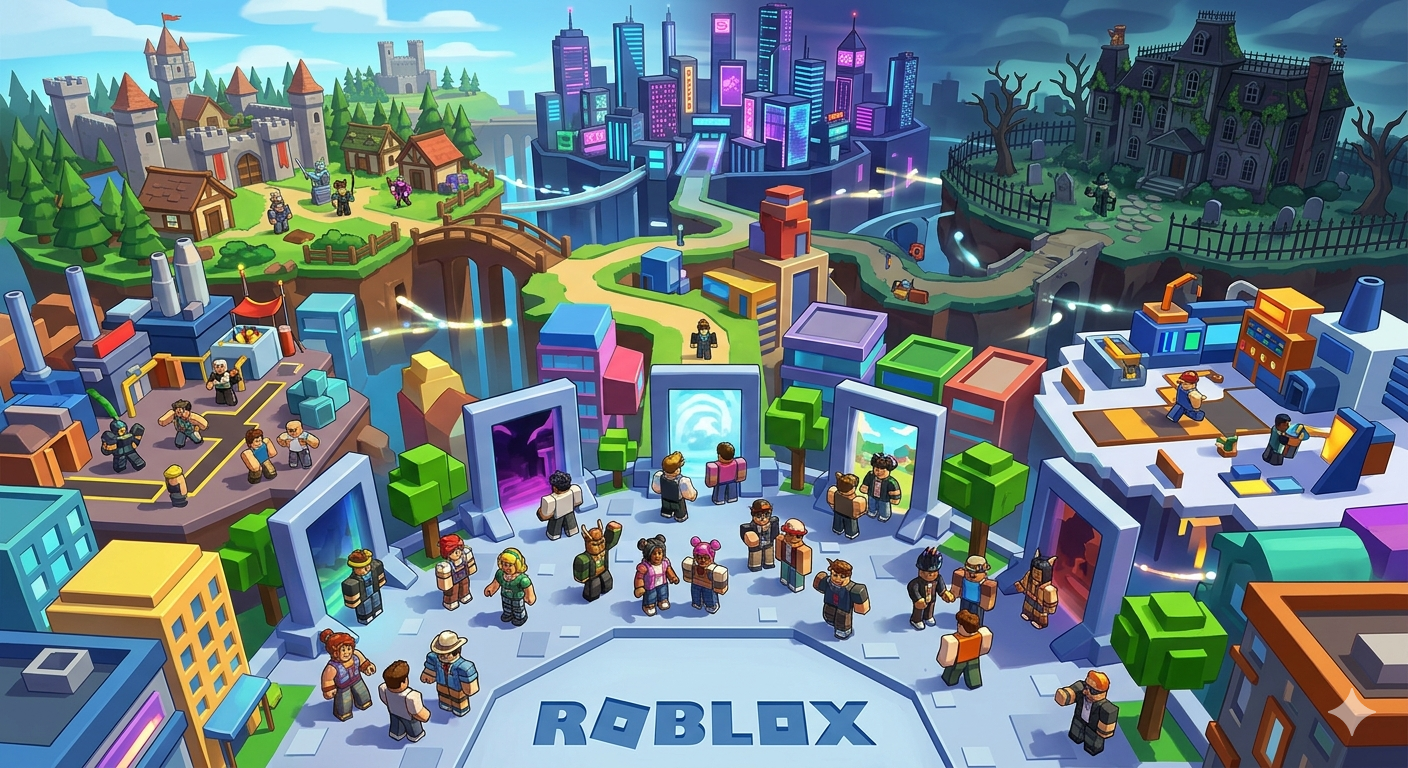
The internet is more than websites and social media, it’s home to vibrant digital communities shaping how people connect, create, and play. Platforms like Roblox host niche communities with unique cultures, rituals, and rules that you might never have encountered. In this article, we’ll dive into some of these fascinating groups, exploring how they influence creativity, collaboration, and social behavior, and what makes these online worlds feel like real, living societies.
What Are Digital Communities?
Digital communities are groups of people who connect online around shared interests, goals, or experiences. Unlike traditional social groups, these communities exist entirely in virtual spaces, often crossing geographical boundaries.
Key characteristics include:
- Shared identity: Members bond over common interests, like games, art, or storytelling.
- Rules and norms: Communities often develop their own etiquette, hierarchy, or rituals.
- Collaboration: Users work together to create content, events, or shared experiences.
- Cultural influence: Behaviors, trends, and creativity often spread within and beyond the group.
In platforms like Roblox, digital communities are central to the player experience. Many games thrive not just because of mechanics but because of the communities around them.
Niche Roblox Communities You Might Not Know
While Roblox is famous for large games like Adopt Me! or Brookhaven, many niche communities exist with their own culture and rules. These groups often encourage creativity and collaboration in surprising ways.
1. Roleplay Enthusiasts
Roleplay (RP) communities let players immerse themselves in specific worlds or scenarios:
- Fantasy RP: Players create magical kingdoms with custom rules, classes, and storylines.
- School RP: Teenagers simulate school life with complex social structures.
- Job RP: Communities organize work-based worlds, such as hospitals, restaurants, or airports.
Impact: Roleplay groups teach improvisation, social interaction, and storytelling skills, all while strengthening community bonds.
2. Builders and Designers
Some Roblox communities focus on creating content, from houses to intricate landscapes:
- Obby creators: Players design obstacle courses, pushing their skills in level design and programming.
- City builders: Groups collaborate to construct realistic towns, integrating economy and gameplay systems.
- Fashion designers: Communities design outfits, accessories, and skins for avatars.
Impact: These communities foster creativity, technical skill development, and teamwork. They often share tutorials and resources to help new members improve.
3. Competitive and Strategy Groups
Certain niche communities are built around competition:
- Esports-style games: Players form teams to compete in PvP (player versus player) tournaments.
- Trading communities: Some players create rules around item trading, valuing rare assets, and teaching negotiation.
- Puzzle or escape-room groups: Players collaborate to solve complex in-game challenges.
Impact: Competitive groups teach strategic thinking, negotiation, and cooperation under pressure, and often have strict etiquette to maintain fairness.
4. Educational and Learning Communities
Some Roblox groups are designed to teach skills in fun ways:
- Coding clubs: Players learn Lua scripting by creating mini-games or mods.
- Art and design groups: Communities focus on 3D modeling, textures, and avatar design.
- Problem-solving clubs: Games with logic puzzles or challenges enhance critical thinking.
Impact: These groups turn gaming into a learning experience, encouraging skill development and creative thinking.
Unique Cultures, Rules, and Rituals
What makes these communities truly fascinating is their culture. Many develop rituals or social rules that newcomers must learn:
- Initiation or onboarding rituals: Some groups have specific challenges to join or earn titles.
- Hierarchy and roles: Communities often assign leaders, moderators, or mentors to guide members.
- Event traditions: Regular competitions, seasonal celebrations, or storytelling nights build cohesion.
- In-jokes and memes: Shared humor and references strengthen community identity.
These norms create a sense of belonging and encourage members to contribute meaningfully to the group.
Influence on Creativity
Digital communities are a hotbed for creativity:
- Collaborative projects: Groups build intricate games, virtual cities, or fashion lines together.
- Skill-sharing: Members often teach others coding, 3D design, or storytelling.
- Innovation: Creative challenges, contests, and themed events push members to think outside the box.
- Cross-platform inspiration: Trends in Roblox communities often inspire fan art, YouTube content, or social media engagement.
Being part of a creative digital community can motivate members to develop skills they might never explore alone.
Influence on Collaboration
Many niche communities thrive on teamwork:
- Shared goals: Large builds or events require multiple members to coordinate.
- Role specialization: Each member may have a unique role, from scripting to design.
- Conflict resolution: Communities often develop systems for resolving disputes, teaching diplomacy.
- Mentorship: Experienced players guide newcomers, creating a cycle of learning.
Collaboration in these spaces mirrors real-world teamwork but with the added benefit of creativity and playfulness.
Social Behavior and Interaction
Online communities, especially on platforms like Roblox, greatly shape how members interact socially. Many communities promote inclusivity, welcoming diverse participants and encouraging active engagement. Communication skills develop through chats, forums, and voice channels, helping players express ideas clearly. Reputation systems and peer recognition reward positive behavior while discouraging trolling or rule-breaking. Additionally, networking within these communities often extends to other platforms or even professional opportunities. Together, these interactions teach valuable real-world skills like empathy, leadership, collaboration, and social responsibility, demonstrating how digital worlds foster meaningful social development alongside entertainment.
Real-World Examples
Several Roblox communities showcase these dynamics in action:
- Adopt Me! roleplay groups: Players collaborate to trade pets, host events, and maintain order.
- Bloxburg city-building communities: Groups create detailed towns, manage jobs, and organize social events.
- Roblox fashion groups: Designers collaborate on outfits, host fashion shows, and trade unique items.
- Coding clubs: Players develop games together, mentor newcomers, and share tutorials.
Each demonstrates how niche communities can be highly organized, skill-building, and socially rich.
Challenges in Digital Communities
While rewarding, these communities also face challenges:
- Toxicity and conflicts: Competitive or popular communities sometimes face arguments, rule-breaking, and negative behavior among members.
- Exclusivity: Certain communities may unintentionally make new members feel unwelcome or discouraged from participating.
- Scams or fraud: Trading rare items or virtual goods can lead to dishonest behavior or exploitation.
- Burnout: Moderators and organizers can become overwhelmed managing events, content, and large, active online communities.
Awareness of these challenges helps players navigate safely and respectfully.
How to Get Involved
For those interested in joining or forming niche communities:
- Research: Look for communities that match your interests and values.
- Observe first: Watch events or activities before actively participating.
- Follow rules: Learn the norms and expectations to avoid misunderstandings.
- Contribute: Offer skills, ideas, or support to become a valued member.
- Create your own: If no community fits, start one with clear goals and a welcoming environment.
Platforms like Roblox make it easy to discover, join, or build these communities.
Final Thoughts
Digital communities on Roblox and other platforms are more than just spaces to play, they’re hubs of creativity, collaboration, and culture. Niche groups with unique rules, rituals, and identities allow members to express themselves, build skills, and connect with like-minded individuals worldwide. Whether through roleplay, design, or coding, these communities shape social behavior and inspire innovation. Exploring these spaces reveals how virtual worlds can mirror, and even enhance, real-world social and creative experiences.