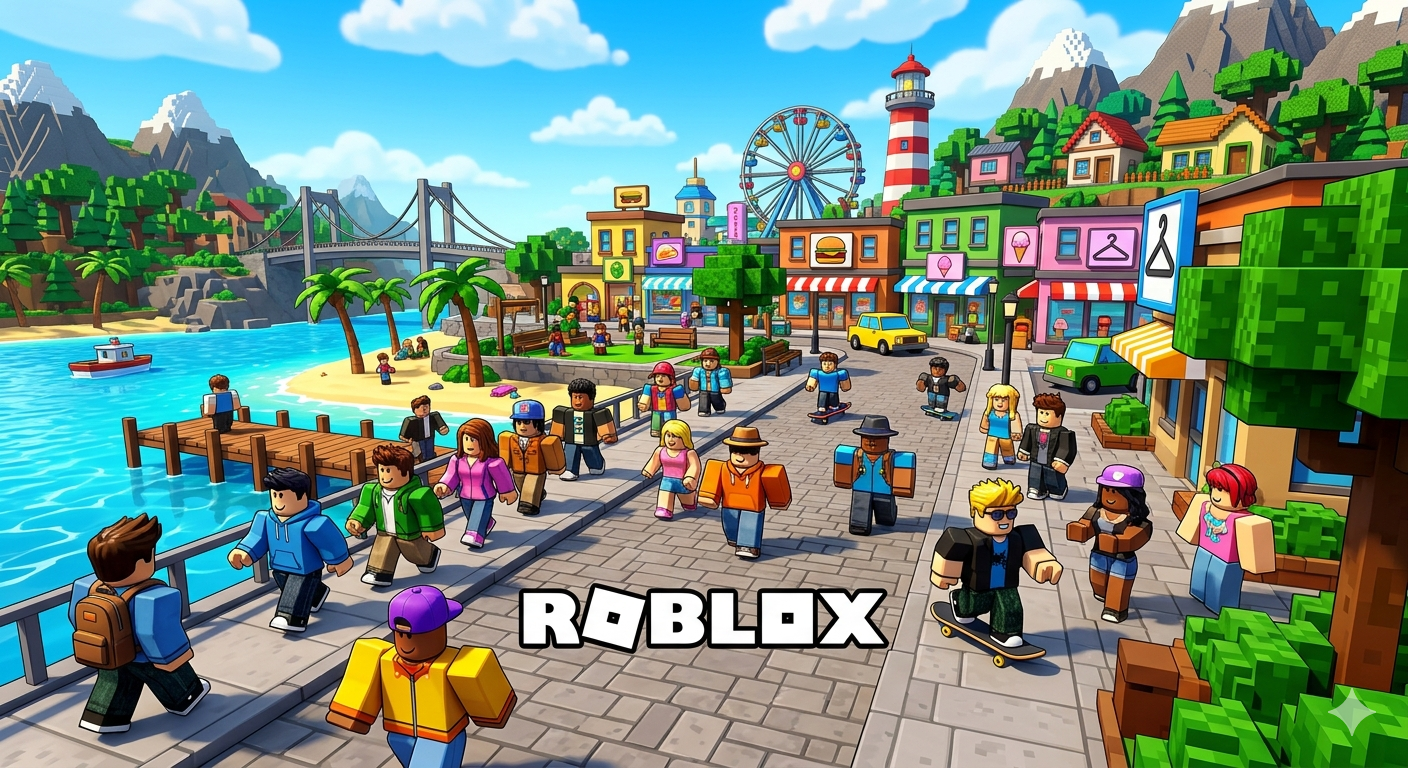
Ever wondered how some Roblox games or indie projects create thriving in-game economies? It’s more than just fun, it’s a system that mirrors real-world marketplaces. A well-designed mini-economy keeps players engaged, encourages creativity, and rewards effort. In this guide, let's break down how to set up your own in-game marketplace, currency, and trading system, along with tips and insights from experienced Roblox creators and indie developers.
What is a Mini-Economy in a Game?
A mini-economy is a simplified system within a game where players can earn, spend, and trade resources. Unlike real-world economies, mini-economies are carefully controlled to balance engagement, fairness, and rewards.
Key components include:
- Currency: The in-game “money” used for transactions.
- Items or resources: Objects that hold value and can be traded or sold.
- Player interaction: Buying, selling, or exchanging goods with other players.
- Rules and balance: Preventing inflation, hoarding, or unfair advantages.
Think of games like Roblox’s Adopt Me! or Bee Swarm Simulator—their economies are simple yet engaging, keeping players coming back.
Step 1: Choosing the Right Currency
Your in-game currency is the backbone of your mini-economy. It should be easy to earn, understand, and spend.
Consider these tips:
- Start simple: One currency is easier to manage than multiple types.
- Decide how players earn it: Through quests, daily rewards, or selling items.
- Design its value: Make common items affordable and rare items highly desirable.
- Avoid inflation: Prevent currency from becoming too easy to earn or meaningless.
Many Roblox creators recommend testing your currency in small groups before a full release. This helps identify balance issues early.
Step 2: Building a Marketplace
The marketplace is where players trade, buy, and sell items. A well-designed marketplace keeps the economy dynamic and interactive.
Key considerations:
- User-friendly interface: Players should easily browse, buy, and sell items.
- Item rarity: Introduce different levels, common, rare, legendary—to create goals.
- Price control: Decide whether players set prices or if the game fixes them.
- Transaction limits: Prevent one player from monopolizing the market.
Pro Tip: Roblox creator tips suggest starting with a few tradeable items, then expanding based on player demand.
Step 3: Creating Valuable Items
Items are what give your currency purpose. Without something to spend on, the economy collapses.
- Cosmetics: Skins, clothes, or accessories often have high appeal.
- Functional items: Tools, pets, or abilities that enhance gameplay.
- Limited editions: Rare or seasonal items create excitement and demand.
- Upgrades: Players may trade multiple lower-level items for a higher-level one.
Indie developers often recommend testing item desirability with a small beta group. If nobody wants it, it has no value.
Step 4: Encouraging Player Interaction
A mini-economy thrives when players actively participate.
Ways to boost interaction:
- Trading: Let players exchange items or currency freely.
- Gifting: Reward collaboration and social engagement.
- Market events: Temporary boosts, auctions, or seasonal sales keep the economy active.
- Leaderboards: Show top traders or earners to spark competition.
Tip: Community-driven games like Roblox’s Pet Simulator X thrive because trading and collaboration are core features.
Step 5: Balancing the Economy
Balance is critical. If a currency or item is too easy or too hard to earn, players lose interest.
- Supply vs. demand: Rare items should be hard to get, but not impossible.
- Currency sinks: Introduce ways to spend currency, preventing hoarding.
- Monitor inflation: Adjust earnings and prices as the game evolves.
- Player feedback: Regularly gather insights to fine-tune systems.
Roblox creators emphasize ongoing monitoring. A successful mini-economy evolves as the community grows.
Step 6: Adding Dynamic Events
Dynamic events make the economy feel alive. They create opportunities and challenges for players.
- Limited-time items: Special events or holiday-themed items drive excitement.
- Market fluctuations: Temporarily increase or decrease item prices to mimic real-world trends.
- Competitions: Reward top sellers or traders to encourage participation.
- Player-driven events: Let communities create their own mini-markets or challenges.
These events keep players engaged long-term, preventing stagnation.
Step 7: Security and Fair Play
Maintaining trust is essential for any in-game economy.
- Prevent cheating: Use anti-exploit measures to stop players from creating infinite currency.
- Fair trading: Avoid systems where one player can dominate unfairly.
- Transparency: Clearly explain how items, currency, and trades work.
- Moderation: Monitor suspicious behavior to protect honest players.
Roblox and indie developers agree, an economy collapses if players feel it’s rigged or unfair.
Step 8: Learning From Successful Roblox Economies
Some games offer great examples to study:
- Adopt Me!: Uses pets, trading, and limited items to create a vibrant economy.
- Bee Swarm Simulator: Combines currency, upgrades, and collectibles for continuous engagement.
- Bloxburg: Real estate and jobs introduce a realistic economy and currency system.
Key takeaways:
- Start simple, then expand gradually.
- Player engagement drives value, not just the game’s design.
- Limited and rare items create long-term demand.
Common Mistakes to Avoid
Even experienced creators sometimes make errors. Avoid these pitfalls:
- Overcomplicating systems: Too many currencies or trades confuse players, reducing engagement quickly.
- Ignoring player feedback: Not listening to players can create imbalance and dissatisfaction.
- Making everything free: Easy-to-get items or currency remove value and motivation.
- Neglecting updates: Failing to refresh content causes players to lose interest and leave.
Remember, a thriving economy requires ongoing maintenance and attention.
Why Mini-Economies Keep Players Hooked
Players enjoy mini-economies because they tap into real-world instincts:
- Goal-oriented play: Collecting, trading, and upgrading provides motivation.
- Social interaction: Trading and collaboration strengthen communities.
- Competition: Leaderboards, rare items, and achievements encourage engagement.
- Satisfaction: Earning and spending currency gives a sense of accomplishment.
A well-designed economy is more than currency, it’s a system that makes your game memorable.
Tips From Roblox Creators and Indie Developers
Top Roblox creators and indie developers share their best advice on building engaging mini-economies that keep players returning for more.
- Start small: Test mechanics before scaling.
- Observe player behavior: Adjust items, currency, and pricing based on real usage.
- Reward creativity: Let players feel ownership in the economy.
- Plan for long-term: Introduce upgrades, events, and expansions gradually.
- Transparency is key: Always explain how the economy functions to your players.
Following these tips helps you design a balanced, exciting economy where players stay engaged, trade fairly, and enjoy meaningful rewards.
Final Thoughts
Creating a mini-economy in a game takes more than coding, it’s about balancing fun, engagement, and fairness. A well-designed system encourages player interaction, rewards creativity, and provides a sense of accomplishment. Whether you’re a Roblox creator or indie developer, focus on simple currency, valuable items, dynamic events, and fair trading. With careful planning and ongoing monitoring, your game can thrive, keeping players engaged while teaching lessons about economics, collaboration, and strategy in a fun, digital environment.